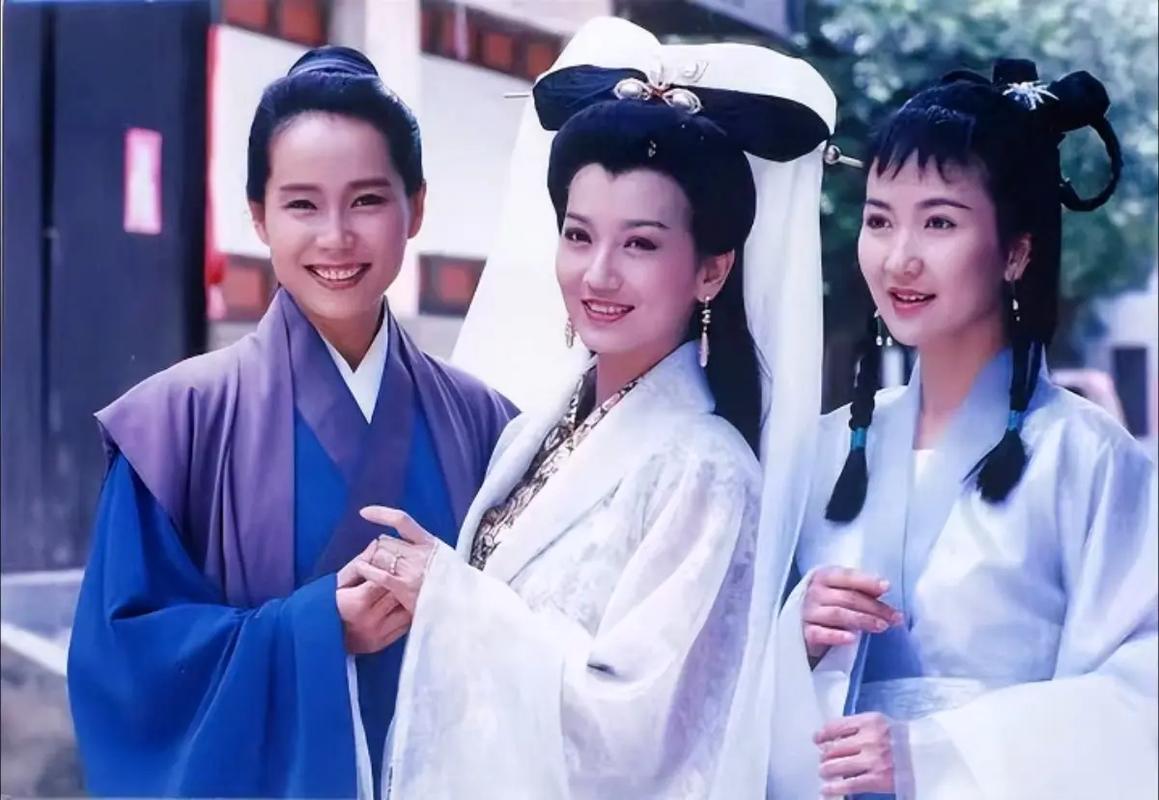
The Legend of White Snake (TV Drama)
Introduction
The Legend of White Snake is a critically acclaimed 1992 TV drama with 50 episodes, based on a classic Southern Song Dynasty folk tale. Based on a cherished Chinese tale, the series illustrates an enchanting story interwoven with elements of mythology, romance, and drama. It was a hit not only in China but also made significant waves across several Southeast Asian countries. With its engaging storyline and cultural themes, the drama was awarded honors in international forums, notably in Japan, testifying to its broad appeal and enduring legacy.
Plot
The narrative of The Legend of White Snake centers around the mythical romance between Bai Suzhen, a white snake spirit who has taken human form, and Xu Xian, a mortal man. The storyline draws from Chinese folklore, recounting Bai Suzhen’s quest for love and desire to live among humans after centuries of spiritual cultivation. The plot thickens with the introduction of Fahai, a Buddhist monk who stands opposed to their union, believing it to be a violation of natural laws. The series unfolds through a series of challenges and conflicts, exploring themes of love, sacrifice, and redemption.
Casts and Characters
The cast of The Legend of White Snake brought the tale’s mystical and human elements to life with memorable performances. The leading role of Bai Suzhen, the white snake spirit, was portrayed by Angie Chiu, whose enchanting performance captured the character’s ethereal charm and emotional depth. Xu Xian, her human love interest, was played by Cecilia Yip, who effectively depicted the character’s innocence and unwavering devotion. Supporting roles, including Fahai, the monk, added further complexity to the narrative, with actors delivering powerful performances that underscored the story's dramatic tensions. The ensemble cast contributed to creating a richly layered depiction of characters that resonated with audiences.
Production
The production of The Legend of White Snake was a testament to the creative and technical talents involved in bringing such a complex tale to television. The series was produced during a time when Chinese television was gaining momentum internationally, leading to a heightened focus on quality and cultural authenticity. Traditional Chinese music, costumes, and set designs were integral to creating the series’ immersive atmosphere. The musical score, in particular, played a significant role in setting the tone for the drama, enhancing emotional and dramatic sequences with its traditional melodies. Moreover, the series utilized innovative special effects of its time to depict the supernatural elements of the story, such as transformations and magical battles, which were crucial to maintaining viewer engagement.
Themes and Analysis
The Legend of White Snake explores several profound themes that have contributed to its lasting impact and cultural resonance. Central to the series is the theme of forbidden love, as the relationship between Bai Suzhen and Xu Xian defies societal norms and spiritual laws. This theme prompts viewers to consider the nature of love and its ability to transcend boundaries. The series also delves into the conflict between duty and desire, particularly through the character of Fahai, who is torn between his spiritual convictions and the compassion he feels for the star-crossed lovers. Furthermore, the drama examines themes of identity and transformation, as Bai Suzhen navigates her dual existence as both a spirit and a human. These thematic explorations are woven into a narrative that challenges viewers to reflect on the complexities of human emotions and the moral dilemmas that arise when different worlds collide.
Reception
Upon its release, The Legend of White Snake received widespread acclaim for its storytelling, performances, and production quality. It resonated deeply with audiences, securing high ratings and a dedicated fanbase. The series’ success extended beyond Chinese-speaking regions, garnering popularity in Southeast Asia and earning accolades in international festivals, particularly in Japan. Critics praised the series for its faithful adaptation of a traditional tale and its ability to capture the universal themes of love and sacrifice. The drama’s blend of mythology, romance, and cultural motifs contributed to its status as a seminal work in Chinese television history.
Cultural Impact
The Legend of White Snake has left a significant cultural imprint, influencing subsequent adaptations and interpretations of the tale in various media. The series is credited with sparking renewed interest in the legend, inspiring remakes, films, and stage adaptations that continue to explore its themes. Its impact is also evident in the broader cultural landscape, as it contributed to the global appreciation of Chinese folklore and traditional storytelling. The drama's success in international markets, particularly in Southeast Asia and Japan, underscored the potential for Chinese television to resonate with global audiences. Moreover, the series highlighted the richness of Chinese culture, introducing international viewers to its mythology, music, and artistic heritage.








